Affordable Tiny Homes: A Smart Housing Solution
Updated: Sep 8
In recent years, the concept of tiny homes has gained significant traction as a viable solution to the ongoing housing crisis. With skyrocketing real estate prices and increasing living costs, many individuals and families are seeking alternatives that offer both affordability and sustainability. Tiny homes present a unique opportunity to downsize, simplify, and live more intentionally without sacrificing comfort or style.
Understanding Tiny Homes
Tiny homes are typically defined as dwellings that are less than 400 square feet. They come in various forms, including mobile homes, modular homes, and traditional stick-built houses. The appeal of tiny homes lies not only in their size but also in their potential for lower costs, reduced environmental impact, and the ability to live a minimalist lifestyle.
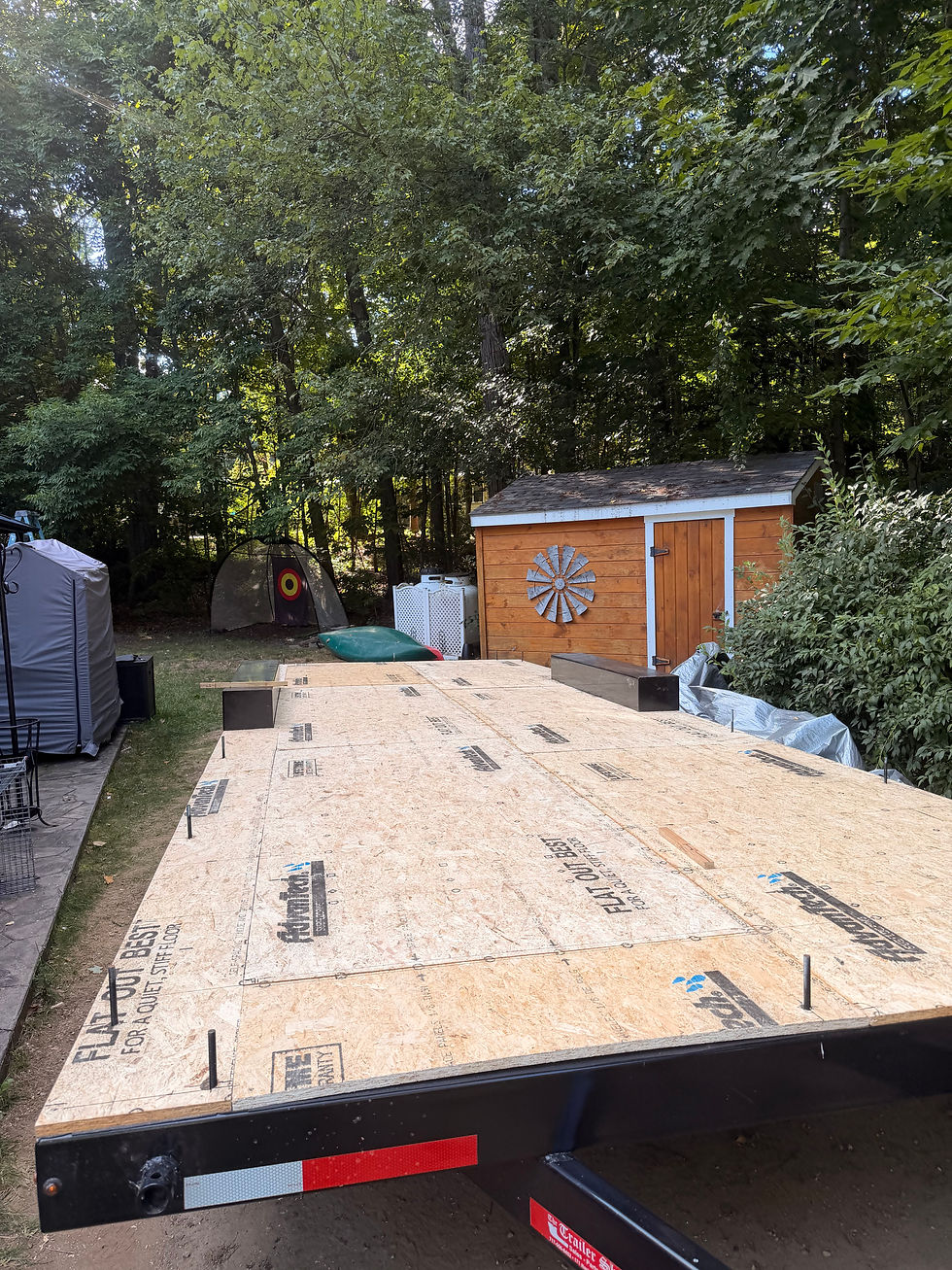
Key Features of Tiny Homes * Affordability: One of the most significant advantages of tiny homes is their cost. This is a stark contrast to the average price of a traditional home. * Sustainability: Tiny homes often use fewer resources and produce less waste than larger homes. Many are built with eco-friendly materials and incorporate energy-efficient systems, such as solar panels and composting toilets. * Mobility: Many tiny homes are built on trailers, allowing homeowners to relocate easily. This mobility can be particularly appealing for those who wish to travel or live in different locations throughout the year. * Minimalism: Living in a tiny home encourages a minimalist lifestyle, prompting residents to declutter and prioritize what truly matters. This can lead to a more fulfilling and less stressful life.
The Financial Benefits of Tiny Homes
-Lower Mortgage Payments One of the most appealing aspects of tiny homes is the significantly lower mortgage payments. With a smaller loan amount, homeowners can pay off their mortgages faster, often within a few years instead of decades. This financial freedom allows individuals to allocate their resources toward experiences, savings, or investments.
-Reduced Utility Costs Tiny homes typically have lower utility bills due to their smaller size. Heating, cooling, and electricity costs are significantly reduced, making it easier for homeowners to manage their monthly expenses.
-Minimal Maintenance Costs With fewer square feet to maintain, tiny homes often come with lower maintenance costs. Homeowners can save on repairs, landscaping, and general upkeep, allowing them to focus on enjoying their living space rather than worrying about constant maintenance.
The Environmental Impact of Tiny Homes
-Smaller Carbon Footprint Living in a tiny home can significantly reduce an individual's carbon footprint. With less space to heat and cool, tiny homes consume fewer resources. Additionally, many tiny homes are built with sustainable materials and energy-efficient appliances, further minimizing their environmental impact.
Encouraging Sustainable Living Tiny homes often promote a lifestyle that values sustainability. Homeowners are more likely to adopt eco-friendly practices, such as composting, recycling, and using renewable energy sources. This shift in mindset can lead to a more conscious approach to consumption and waste.
Designing Your Tiny Home Space Optimization Designing a tiny home requires careful consideration of space optimization. Homeowners must think creatively about how to use every square foot effectively. Here are some tips for maximizing space in a tiny home: * Multi-functional Furniture: Invest in furniture that serves multiple purposes, such as a sofa bed or a dining table that doubles as a workspace. * Vertical Storage: Utilize vertical space by installing shelves and cabinets that reach the ceiling. This can help keep the floor area clear and make the home feel more spacious. * Open Floor Plans: An open floor plan can create the illusion of more space. Consider removing unnecessary walls to allow for a more fluid living area.
Personalization While tiny homes are often minimalist, they can still reflect the homeowner's personality and style. Incorporating personal touches, such as artwork, color schemes, and decorative elements, can make a tiny home feel warm and inviting.
Real-Life Examples of Tiny Homes The Tiny House Movement The tiny house movement has inspired countless individuals to embrace a simpler lifestyle. Here are a few notable examples: * The Tumbleweed Tiny House Company: Founded by Jay Shafer, Tumbleweed offers a variety of tiny home designs that prioritize sustainability and functionality. Their homes range from 117 to 400 square feet and can be customized to fit individual needs. * Tiny House Nation: This popular television show showcases the transformation of various tiny homes across the country. Each episode highlights the unique stories of homeowners who have chosen to downsize and live in tiny spaces. * The 400 Square Foot House: This innovative design by architect Michael Janzen features a compact layout with a full kitchen, bathroom, and living area. The home is designed to be energy-efficient.
Challenges of Tiny Home Living
-Zoning and Legal Issues
One of the significant challenges of tiny home living is navigating zoning laws and building codes. Many areas have strict regulations regarding the size and placement of homes, which can make it difficult for tiny home owners to find suitable land. Researching local laws and working with zoning officials can help mitigate these challenges.
-Limited Space
While many people appreciate the simplicity of tiny living, the limited space can be a significant adjustment. Homeowners must be willing to downsize their belongings and adapt to a more minimalist lifestyle. This transition can be challenging but ultimately rewarding.
-Resale Value
The resale value of tiny homes can be unpredictable. While some tiny homes appreciate in value, others may not sell as easily due to their niche market. Homeowners should consider their long-term plans and whether they are comfortable with the potential for lower resale value.
The Future of Tiny Homes As the demand for affordable housing continues to rise, tiny homes are likely to play an increasingly important role in the housing market. With their affordability, sustainability, and flexibility, tiny homes offer a compelling solution for those seeking a simpler, more intentional lifestyle.
Community Living Many tiny home enthusiasts are exploring the concept of tiny home communities. These developments allow individuals to live in close proximity to like-minded neighbors while sharing resources and amenities. Community living can foster a sense of belonging and support, making the tiny home experience even more enriching.
Innovations in Design The tiny home industry is continually evolving, with new designs and technologies emerging to enhance the tiny living experience. From smart home features to innovative building materials, the future of tiny homes looks promising.
Conclusion Affordable tiny homes represent a smart housing solution for those seeking to escape the burdens of traditional homeownership. With their numerous benefits, including lower costs, reduced environmental impact, and the opportunity for a more minimalist lifestyle, tiny homes are becoming an increasingly popular choice. As the tiny house movement continues to grow, it offers a glimpse into a future where living simply and sustainably is not just a dream, but a reality.
By considering the advantages and challenges of tiny home living, individuals can make informed decisions about whether this lifestyle is right for them. Whether you are looking to downsize, save money, or embrace a more sustainable way of living, tiny homes may just be the perfect fit.

Comments